When Did You Last Feel Small?
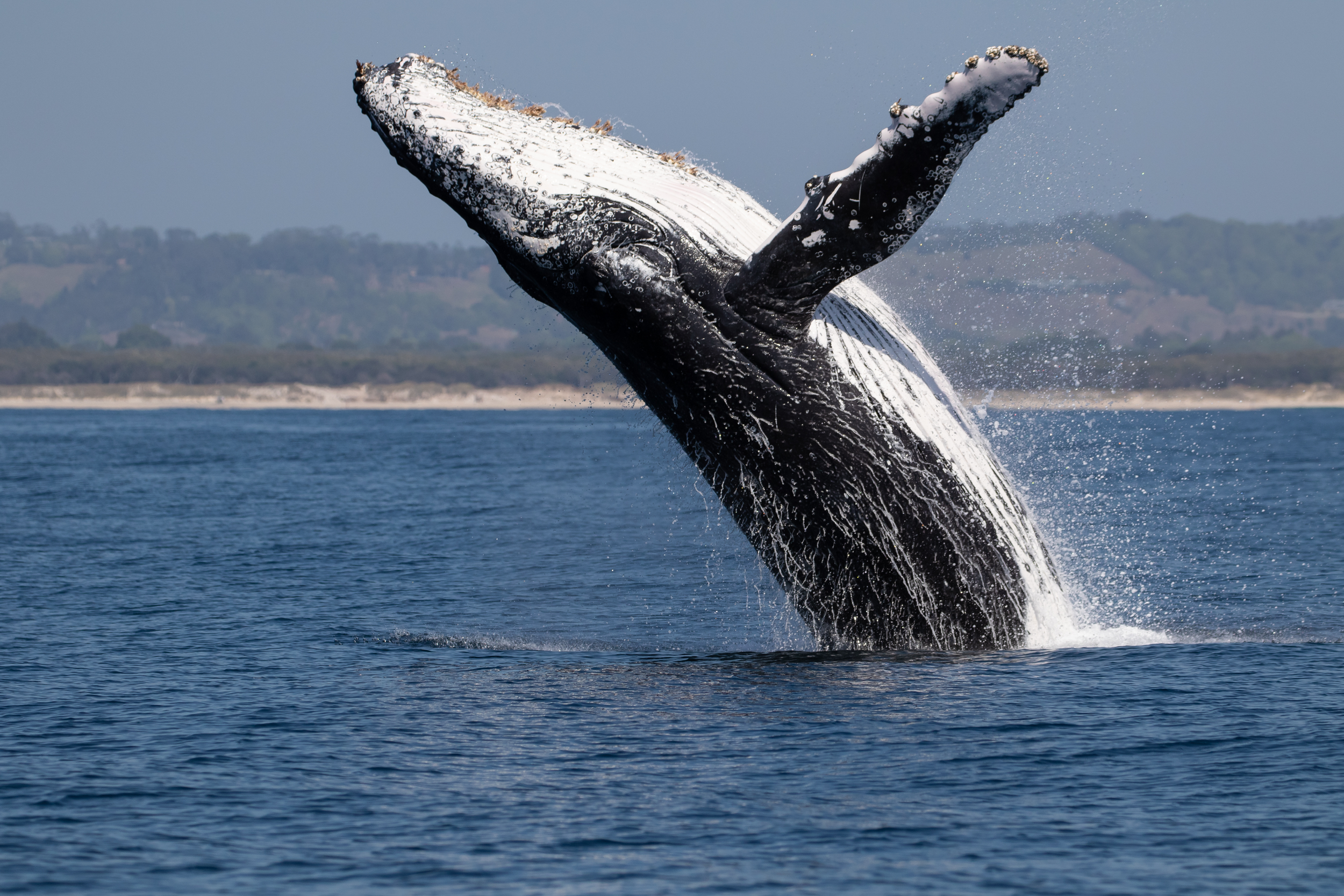
The first time I saw a humpback whale breach, I didn’t get a photo.
Forty tons of animal came out of the water for reasons no one can fully explain, and I wasn’t quick enough.
But I saw it. I was there.
It made me feel small.
It was awe-some.
I remember feeling this way at the Grand Canyon.
At the top of Mount Jefferson in the White Mountains.
And when my son was born and I held the tiny little guy on my stomach.
Dacher Keltner, a psychologist at Berkeley, describes awe as what we feel when we come up against something vast, something that doesn’t fit inside the usual frames we have with us.
It’s something that we see but almost can’t file anywhere in our minds. Something that doesn’t fit in a usual drawer.
For me, there are a number of things that make me feel awe.
Whales, obviously.
Giant eucalyptus trees.
My eighteen-year-old cat, who wants nothing from us except to be in the room.
The way the body can heal.
And then there are the nonprofit leaders I see every week in my work who keep showing up. Underfunded, understaffed, under great pressure, and yet showing up anyway.
Year after year, they show up for their communities.
What are those awe-inspiring things for you?
I have been thinking about this a lot lately, given how heavy everything is right now.
You know what I mean.
How heavy the world has gotten.
And when it gets like this, I tend to get smaller. I pull in. I make my world tighter and more manageable.
I call this coping.
But the smaller I make my world, the more room I take up inside it. And this is a hard place to be when you are already tired.
Which is why the research surprises me. It actually points the other way.
Virginia Sturm at UCSF did an experiment once around awe. She put 60 older adults into two groups. Everyone walked 15 minutes a week for eight weeks—and were asked to take selfies along the way. But one group had been told in a short conversation at the start that awe can be found almost anywhere—and to actually go looking for it.
Eight weeks later, that awe-seeking group reported more joy and less daily stress. This showed in their photographs: they got smaller in their selfies while the world behind them got bigger.
And their smiles had gotten bigger too.
The other group had not been told about awe. And they actually walked more often than the awe group did. Nothing else changed though.
So maybe it’s not so much about what you actually do day-to-day. Change is found in where you are looking.
Same sidewalks.
Same legs.
Different attention.
And the most common source of awe worldwide according to Keltner’s research is not in canyons or cathedrals—it’s actually in seeing other people being good. Keltner calls this moral beauty. So, the good news is you don’t need to plan a trip to go find some awe—it may be sitting across the table from you on any given Tuesday.
Sure, awe itself won’t lower the temperature of the crazy world out there.
But it does move something. It changes our energy. Raises our vibration. When we see something bigger than us, something inside softens. It’s that moment when we as human beings stop being the largest object in the room.
I bet you remember a time when you experienced something bigger than yourself.
What makes you feel small like this—in a good way?
When was the last time you let it happen?
And what’s just outside your door right now?
Have a comment? Please share on social media or contact Kellie here.