That Thing You Most Avoid
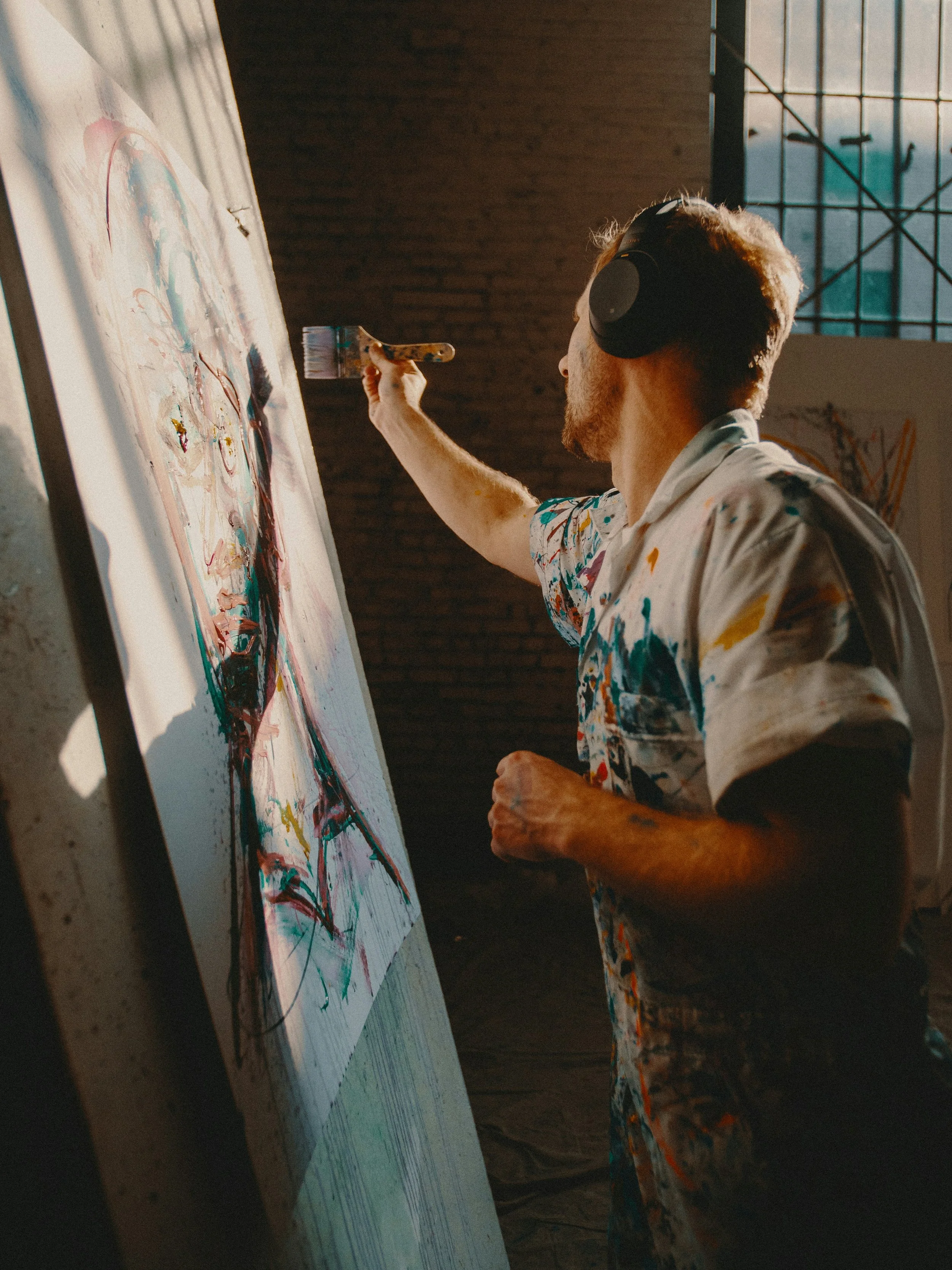
“Sometimes the thing you’re most afraid of doing is the very thing that will set you free.”
This quote by Robert Tew was framed in a doctor’s office I was in recently.
So many of us move through the world with a secret passion, something you might never talk about. It could be a creative endeavor that makes you feel most alive. Something you wish you could do for a living. A population you wish you were working with. Or a place you have always longed to go.
But you’re terrified to consider letting yourself have it.
What is your version of that thing?
I have been watching Atypical on Netflix, and it’s a perfect illustration of this dilemma. Sam, the lead character, thinks about Antarctica almost constantly. He loves penguins more than anything. But when he prepares for dating for the first time, his sister advises him (perhaps wisely) not to bring up penguins. At all.
It took him until Season 4 to even consider going to Antarctica.
Four seasons.
Sam is still trying to get there.
How many seasons have you been waiting to give yourself your thing?
I get the impulse behind this approach. We learn early on to tuck the most alive parts of ourselves away, especially in places where we fear judgment or rejection.
But here’s also what I have noticed: Avoiding that thing costs more than we think.
The resistance to it can be exhausting.
Thinking you can’t have something, staying away from it, limiting your access to it—all of that burns psychic energy at a rate we rarely account for. We tell ourselves we’re being practical. Responsible. But in the background, the resistance hums along, quietly draining us of the energy we need for everything else.
Where in your life are you spending energy resisting something rather than moving toward it?
My version of this: Writing.
I regularly tell myself I don’t have time for it. That it’s indulgent. Other things are more urgent.
But then a coach posed a question one day that shifted everything. She asked: What if you just did it for eight minutes a day?
The question disarmed me completely.
Eight minutes feels laughably small.
But I learned if you write for eight minutes, and you can type fast (which I can), you can write at least 400 words a day, which adds up to 12,000 words a month, or a 50,000-word book in four months.
Think about that!
Eight minutes a day, and you can write an entire book in less than half a year.
What would eight minutes a day devoted to your thing look like?
What’s the smallest possible version of it you could start with?
We think that by avoiding our thing, we are focusing on something more important. But in the end, we’re not saving anything. It’s actually costing us something.
I have also found that timing matters. I believe that the earlier in the day you connect with that thing—whatever it is—the more likely you are to actually do it.
Everything else will come hunting you down. Days fill up fast with things that feel urgent and persistent and interesting. Email. Texts. Other people’s needs. Before you know it, the hours are gone and the thing never happens.
If I want to write, I have to go to my computer before I do anything else—before the rest of the world wakes up. I can take time to make a cup of coffee. But that’s about it. I can’t look at my phone. I can’t open email. I can’t pick up a book.
For you, the window may be late at night—not first thing in the morning. But either way, the window is narrow and precious, and the world will close it if you let it.
When in your day could you protect a small window for your thing?
Or if you don’t know what your thing is, consider: What do you do on vacation that you never make time for day-to-day?
Some people pull out that camera they love—the good one—and spend hours immersing themselves in light and composition. Others spend a week at a yoga center and wonder why they don’t feel this way all the time. Or perhaps you travel to another land—and reconnect with your true self in the woods, the mountains, in Italy, Thailand, or Morocco.
Or perhaps you slow down enough in that time away to actually be present with the people you love most.
These vacation moments are not accidents. These are signals.
If you knew your bills were paid, everyone around you was content, and you had no obligations for a week, what would you do with your open time?
And what does your answer reveal?
Does it help you identify that thing you keep diligently tucked away?
Here’s the reality: This thing is not a distraction from your real life. It might actually be pointing directly toward the real you.
And it’s probably been pointing there all along.
Have a comment? Please share on social media or contact Kellie here.